

Germany in July – solar panels are buzzing, wind turbines spin like hyperactive ballet dancers, and the grid’s drowning in renewable energy. Fast-forward to January, and suddenly everyone’s huddled around heaters while windless skies leave turbines frozen like awkward statues. This rollercoaster is why inter-seasonal energy storage isn’t just a buzzword; it’s Germany’s lifeline to ditch fossil fuels without freezing in the dark. Let’s unpack how Deutschland plans to stash summer’s bounty for winter’s gloom. [2025-08-09 06:52]

Ever wondered how we can store energy without relying on bulky batteries or fossil fuels? Enter dry energy storage ice crystals—a cutting-edge method gaining traction in sustainable energy circles. Unlike traditional "wet" systems that use liquids, this approach leverages phase-change materials (PCMs) like ice crystals to absorb and release thermal energy. Think of it as a thermal piggy bank: freeze the crystals during off-peak hours (when energy is cheap), then tap into that stored coldness to cool buildings or industrial processes later[6]. [2025-07-31 02:29]
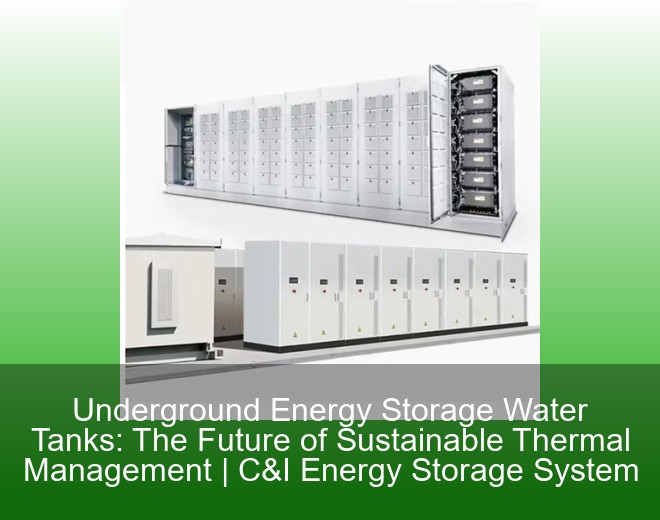
engineers scratching their heads over energy bills, urban planners sweating (literally) about carbon footprints, and eco-warriors dreaming of net-zero cities. If you’re in any of these camps, welcome! Underground energy storage water tanks are like the Swiss Army knives of thermal management—solving multiple problems while hiding beneath our feet. These systems store excess heat or cold in water reservoirs underground, ready to be tapped when needed. Think of them as giant thermal piggy banks for buildings, factories, or even entire neighborhoods. [2025-07-26 09:20]

Imagine a city that never sleeps—its energy needs shouldn’t either, right? Enter large-scale urban energy storage power stations, the unsung heroes keeping our lights on while helping cities ditch fossil fuels. These mega-batteries aren’t just backup plans; they’re reshaping how we manage electricity in smart cities. Take Hefei’s “super charging宝” project (literally “charging treasure” in Chinese), which stores enough juice to power 20,000 homes during peak hours[2]. Now that’s what we call urban energy wizardry! [2025-06-30 07:36]

If you've ever wondered how hospitals keep lights on during blackouts or why your neighbor's solar panels work at night, you're in the right place. Energy storage equipment – those unsung heroes of the power world – are quietly revolutionizing how we use electricity. From the $33 billion global industry pumping out 100 gigawatt-hours annually[1] to your local grocery store's backup power, these systems are the Swiss Army knives of energy management. [2025-06-22 16:38]

Let's face it – storing energy is like trying to catch sunlight in a jar. That's where hydrogen energy storage struts onto the stage, wearing its periodic table pride (H₂, anyone?) like a superhero cape. This technology isn't just about stuffing hydrogen into containers; it's the missing puzzle piece in our renewable energy revolution. Recent data shows the global hydrogen storage market could balloon to $23 billion by 2030[6], proving it's more than just science fair material. [2025-06-06 15:52]

Ever wondered how your lights stay on during a storm when wind turbines stop spinning? Enter the unsung hero of modern energy systems – the energy storage device. These technological marvels act like giant rechargeable batteries for our power grids, storing excess electricity when production exceeds demand and releasing it when needed most. Think of them as the ultimate "rainy day fund" for renewable energy [3][6]. [2025-05-29 11:45]

Ever wondered how we'll store solar energy when the sun plays hide-and-seek? Enter thermochemical energy storage (TCES) - the tech that's turning heat into chemical handshakes. Unlike your grandma's thermal flask that merely keeps coffee warm, TCES systems can store summer sunshine for winter heating like a squirrel hoarding nuts. Recent projects at institutions like SINTEF Energy Research show TCES achieving 5-10 times higher energy density than traditional methods [4]. [2025-05-24 20:42]

Let’s face it – the energy storage industry isn’t just going global; it’s throwing an international housewarming party. With the global energy storage market projected to reach $546 billion by 2030[6], companies are racing to plant their flags in emerging markets. From Texas to Tanzania, battery farms are becoming the new oil fields of the 21st century. [2025-05-22 02:27]

If you’re here, you’re probably one of three people: a factory manager sweating over energy bills, a sustainability officer chasing net-zero goals, or a curious homeowner wanting to cut costs. Guess what? Thermal energy storage (TES) systems like Polansa’s could be your golden ticket. And let’s face it – everyone wants to know how much this magic costs, right? [2025-05-21 03:34]

A football-field-sized battery humming under the Caribbean sun, storing enough juice to light up Port-au-Prince’s night markets and keep hospitals running during blackouts. This isn’t a futuristic dream—it’s Haiti’s energy reality taking shape. With fuel shortages crippling power grids (remember May 2024’s gas station chaos?)[3], energy storage plants have become Haiti’s new lifeline. Let’s crack open this electrifying topic. [2025-05-20 12:17]

If you’re reading this, chances are you’re either a tech enthusiast drooling over photovoltaic innovations, a data center manager battling energy bills, or someone who just Googled “how to store sunlight like a sci-fi hero.” Good news: light energy storage isn’t just for Tony Stark anymore. From optical data storage in hyperscale servers to solar farms using light-to-energy conversion, this tech is reshaping industries. And guess what? Google’s algorithm loves articles that answer real questions—so let’s dive in without the jargon overload. [2025-05-20 02:21]
Enter your inquiry details, We will reply you in 24 hours.
Brand promise worry-free after-sales service