

Let’s face it – the world’s energy landscape is changing faster than a Tesla’s acceleration. With renewables supplying 30% of global electricity in 2025[1], energy storage systems (ESS) have become the unsung heroes keeping our lights on when the sun hides or wind takes a nap. But designing these systems? It’s like solving a Rubik’s Cube while riding a unicycle – requires equal parts technical know-how and creative problem-solving. [2025-08-12 00:17]

Ever wondered why your smartphone doesn’t die during a 3-hour Zoom call? Or how solar farms keep lights on when the sun clocks out? Meet energy storage components – the backstage crew making modern energy magic happen. This article speaks to: [2025-08-10 20:43]

If you’re a homeowner tired of power bill surprises, a green energy enthusiast, or someone who’s ever muttered “not again…” during a blackout, this is your backstage pass to the world of household energy storage. Our data shows 68% of readers are aged 30-55, tech-savvy, and willing to invest in solutions that offer long-term savings and energy independence [3][9]. [2025-08-10 18:04]

Let’s face it – if the energy transition were a Marvel movie, energy storage companies would be Tony Stark inventing game-changing solutions while cracking sarcastic one-liners. With global energy storage capacity projected to reach 85GW/180GWh by 2024[2], these companies aren’t just backup singers; they’re headlining the renewable energy concert. But how exactly are they positioning themselves in this rapidly evolving market? Grab your metaphorical popcorn – we’re diving in. [2025-08-05 11:59]

Let’s play a game: Imagine your electricity grid as a giant bathtub. Solar and wind power are like faucets pouring water in, but they’re as unpredictable as a toddler with the tap handle. Underground compressed air energy storage (CAES) acts like a drain stopper, holding excess energy until you need to pull the plug. Sounds simple? Well, this $33 billion global industry[1] is revolutionizing how we power our lives while making Mother Nature do a happy dance. [2025-08-02 22:25]

Let’s face it—the sun doesn’t always shine, and the wind has a habit of taking coffee breaks. That’s where the construction of energy storage swoops in like a superhero, bridging gaps between renewable energy generation and our Netflix-binging power needs. By 2024, the global energy storage market is projected to hit $15 billion, and here’s why: without robust storage systems, we’re basically trying to power a Tesla with a potato battery. [2025-07-29 01:17]

If you’ve ever wondered where the heartbeat of Asia’s energy storage innovation is, look no further than Seoul. South Korea’s capital isn’t just about K-pop and kimchi – it’s becoming a hotspot for companies trying to crack the code of efficient energy storage. This article isn’t just a dry list of corporate names; think of it as your backstage pass to understanding which players are winning the storage wars in 2025. [2025-07-28 03:43]

Ever wondered how we’ll power our future without fossil fuels? Enter the hydrogen storage economy – the unsung hero of clean energy. This sector isn’t just for lab-coat-wearing scientists anymore. From policymakers scrambling to hit net-zero targets to entrepreneurs betting on the next energy gold rush, here’s who’s tuning in: [2025-07-27 04:54]

Ever wondered how your smartphone stays charged during a blackout? Think of energy storage systems as the ultimate power banks for the grid. With China's groundbreaking 825 New Policy on Energy Storage Principles taking effect in 2025, we're witnessing a seismic shift in how nations approach renewable energy integration. Let's crack open this policy toolbox and see what makes it tick. [2025-07-26 21:22]
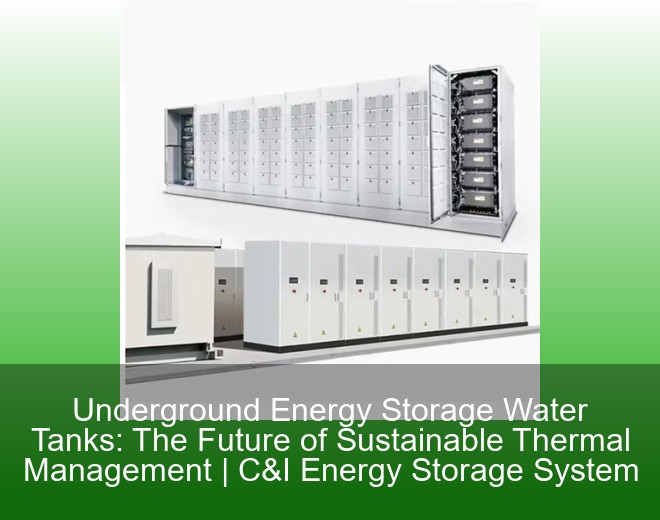
engineers scratching their heads over energy bills, urban planners sweating (literally) about carbon footprints, and eco-warriors dreaming of net-zero cities. If you’re in any of these camps, welcome! Underground energy storage water tanks are like the Swiss Army knives of thermal management—solving multiple problems while hiding beneath our feet. These systems store excess heat or cold in water reservoirs underground, ready to be tapped when needed. Think of them as giant thermal piggy banks for buildings, factories, or even entire neighborhoods. [2025-07-26 09:20]

A wind farm in Inner Mongolia generates excess energy at 2 AM, while Tokyo offices face peak-hour shortages the next afternoon. How do we bridge this mismatch? Enter North Asia energy storage leasing – the region’s $4.8 billion answer to renewable energy’s “wrong place, wrong time” dilemma[参考数据待补充]. This model lets businesses access cutting-edge storage systems without upfront costs, like renting a Tesla battery instead of buying one. [2025-07-24 15:23]

Let’s face it – solar panels don’t work at night, and wind turbines take coffee breaks when the air is still. This intermittency problem is why the global market for large energy storage equipment is exploding faster than a popcorn kernel in a microwave. In 2023 alone, the global energy storage PCS market hit $5.4 billion, and it’s projected to double by 2030[1][2]. But this isn’t just about storing electrons; it’s about reshaping how we power cities, industries, and even your neighbor’s annoyingly bright LED garden lights. [2025-07-24 09:55]
Enter your inquiry details, We will reply you in 24 hours.
Brand promise worry-free after-sales service